2-6-24 – Ethan Smith / @mvp_EtHaN
Every February, we celebrate Black History month, informing one another on those who paved the way for equality for all.
This pertains to politics, daily life, and yes, even sports – specifically baseball, a sport that was segregated for the better part of 60 years until Jackie Robinson stepped up to the plate for the Brooklyn Dodgers on April 15, 1947.
Now, baseball is a diverse game, featuring players from across the globe and not only featuring them, but some of whom represent the class of the sport.
Pittsburgh played a role in contributing to baseball and Black history, from the Negro Leagues to many other events that I will highlight in this piece.
With all of that said, lets get right into some of Pittsburgh biggest contributions to Black History as it pertains to the game of baseball.
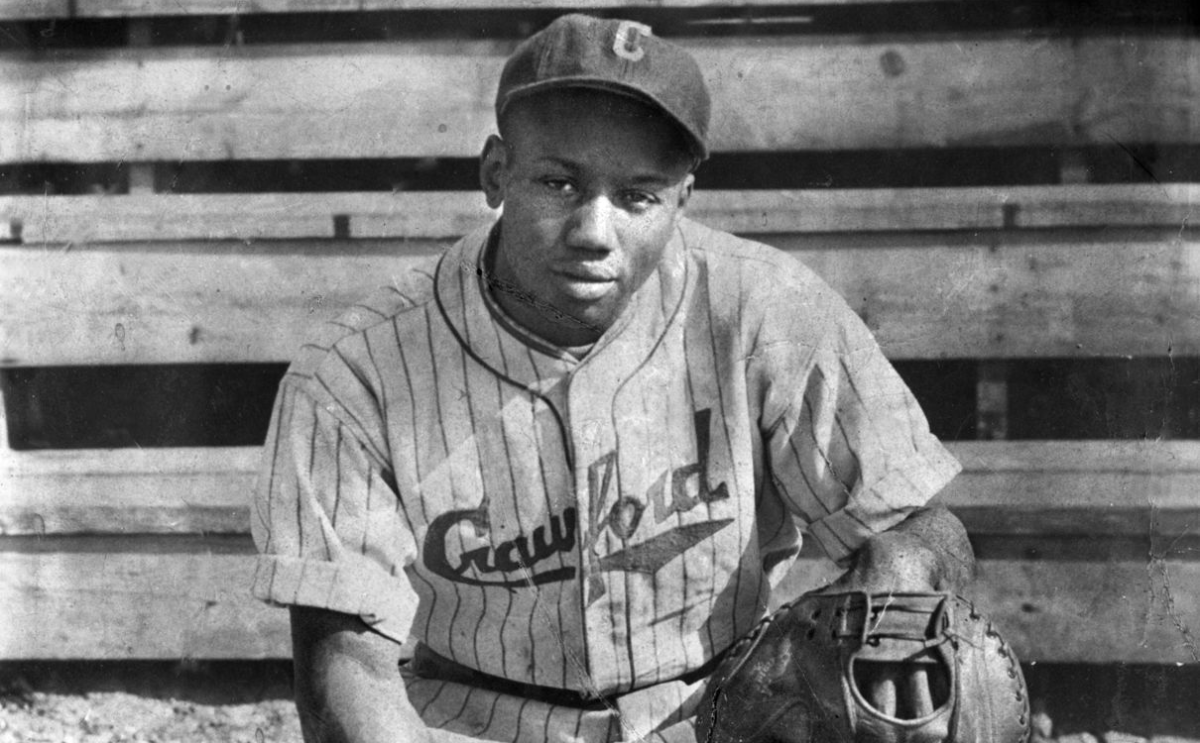
The Homestead Grays & Pittsburgh Crawfords: Pillars of the Negro League
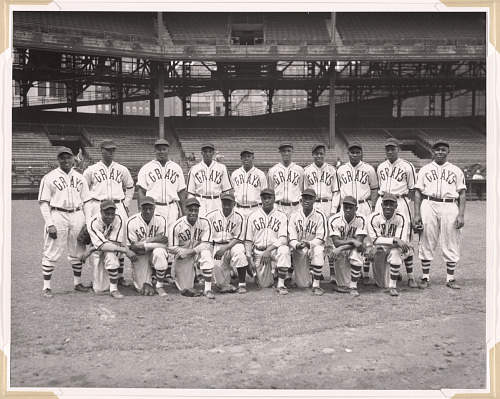
When discussing Black history and baseball, the Negro League has to be your starting point, seeing as the league not only has immense history, but was also the starting point for a large chunk of players enshrined in Cooperstown.
For Pittsburgh, it was once a bastion of the Negro League, housing two teams spanning 1931-1945, with the Pittsburgh Crawfords coming first.
The Crawfords were started by local African-American businessman and Founder of the Second Negro National League, Gus Greenlee. Greenlee owned a profitable nightclub (the “Crawford Grill”) and used his fortune to build a successful team, winning the pennant in 1935 while posting a 55% win rate over this nine-year run.
Greenlee did everything in his power to imbue the team with the league’s top talent. Oscar Charleston, Josh Gibson, Satchel Paige, James “Cool Papa” Bell and Judy Johnson all became notable players and contributors to the 1935 championship team while later being enshrined in the Hall of Fame.
For having such a short tenure as a franchise, the Crawfords and Greenlee provided a massive impact on the sport.
The Homestead Grays were around much longer than the Crawfords and were one of the most successful baseball franchises in modern history.
While calling both Pittsburgh and Washington D.C. home, the Grays won nine Negro National League titles, winning six of the nine in a row from 1940-1945, while also winning three Negro World Series Championships in their 17 seasons as a franchise.
The success of the club started with Cumberland Posey, who was a player, manager and principal owner, leading to him being enshrined in the Hall of Fame in 2006.
Posey, who was known for his knack to find elite talent, also did well making the club a profitable entity during America’s Great Depression, and the list of Hall of Fame players and contributors is a lengthy and historical one.
Take the 1931 team for instance: Score-keeping was inconsistent but the team allegedly were 143-29-2 and viewed by many historians as one of the greatest teams of all time, compiled of five future Hall of Fame players including Charleston, Gibson, Jud Wilson, Smokey Joe Williams and Willie Foster.
The 1931 team also housed other household names such as Vic Harris, George Scales and Ted Radcliffe, making for one of the pillar rosters in baseball’s history.
The team played its final season in 1950 at Griffith Stadium, ending its Pittsburgh ties at Forbes Field in the same season but the Grays will always be remembered as one of baseball’s most successful franchises.
Curt Roberts – Pittsburgh’s first black baseball player
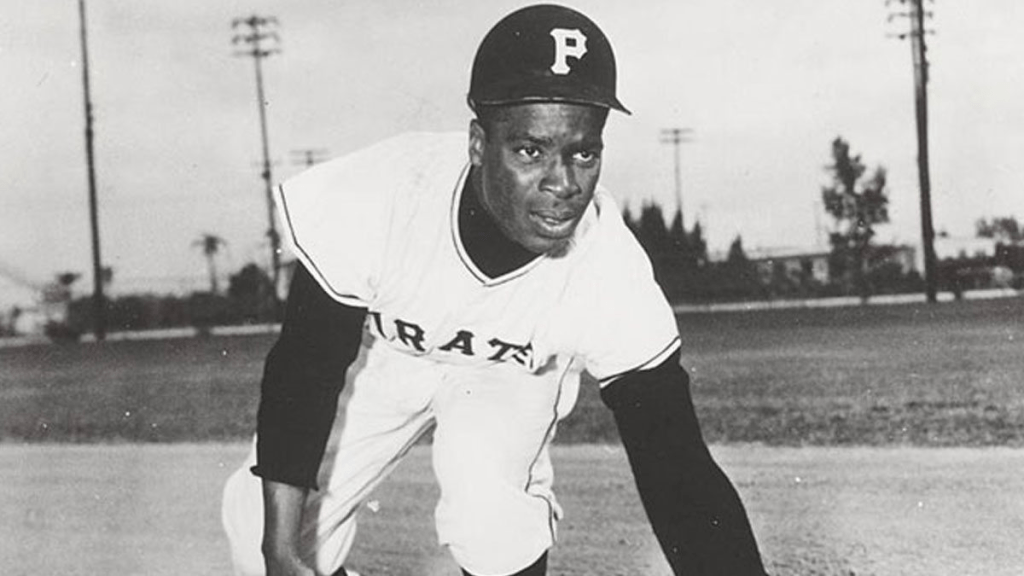
Curt Roberts is recognized as the Pittsburgh Pirates’ first black baseball player, beginning a long history for Pittsburgh as a home for diversity in baseball.
Roberts, who played for the Negro League Kansas City Monarchs from 1947-1950, played alongside Satchel Paige, Hilton Smith, Buck O’Neil and Elston Howard and made his baseball debut with the Monarchs out of high school in 1947 as the young age of 17.
Standing only 5-foot-8, Roberts was often regarded as “too short” to play Major League baseball, despite his success against the best the Negro League had to offer.
After his time with the Monarchs, Roberts would take his play to the Mexican League before being noticed by a scout where he would become apart of the Boston Braves.
The Boston Braves had a farm team, the Denver Bears, who were managed by Andy Cohen, the scout who got win of Roberts’ game.
Prior to the 1952 campaign, the Bears would become an affiliate of the Pirates, and with an agreement between the Braves and Pirates, Roberts became apart of the Pirates organization, breaking through a barrier many believed he could never break through.
Roberts would stay with the Bears for two seasons, transitioning from his typical position of shortstop to second base, before the Pirates eventually got wind of his above average fielding prowess, calling him up to MLB in 1954.
April 13, 1954 marked his MLB debut, with unrest among the black community in Pittsburgh growing for the Pirates to integrate their roster, much like the historic Brooklyn Dodgers and New York Giants had already done. Games were boycotted, unrest continued, but manager Branch Rickey, who was the manager of the Brooklyn Dodgers when Jackie Robinson debuted, made the call to bring Roberts up and have him play second base.
Roberts played with the Pirates until 1956, being a mostly defense-first player. He would relinquish his job to Bill Mazeroski, spending the remainder of his professional baseball career as a minor league player.
Retiring from baseball in 1963, Roberts isn’t regarded as a potential Hall of Fame player but he will always be remembered as Pittsburgh’s first black player, breaking the barrier for others to follow in his footsteps.
September 1, 1971
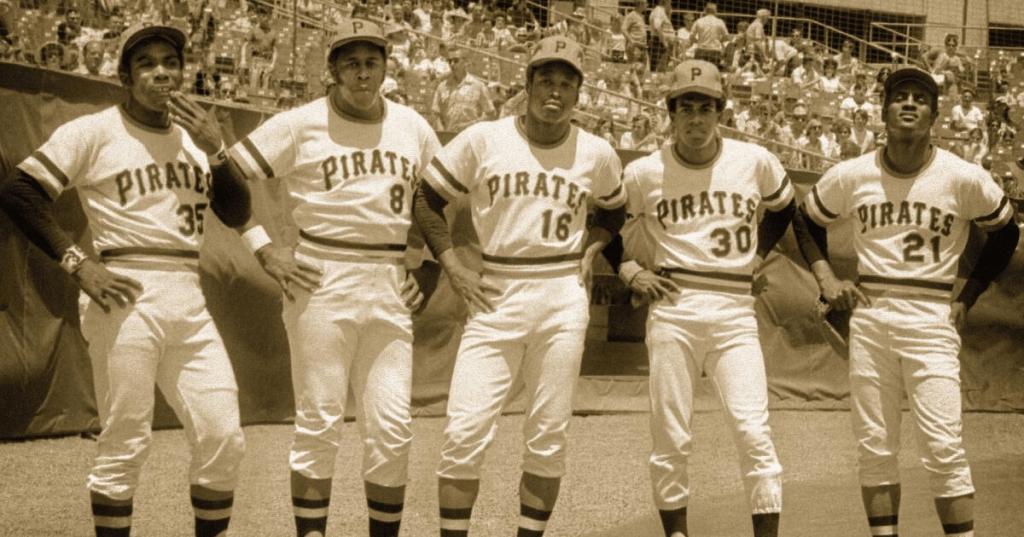
By 1971, baseball had been well past integration, with teams all across MLB housing minority players.
Not only were African-Americans becoming prominent amongst MLB franchises, but Latino players were rising to stardom as well.
This was especially true for Pittsburgh in 1971 as the Pirates had 13 players on their roster of either Latin or African-American descent – including Willie Stargell and Roberto Clemente, two of Pittsburgh’s best players of all time.
Baseball saw a full breakthrough in its quest for diversity on September 1, 1971, when the Pittsburgh Pirates fielded the first lineup of all Latino and African-American players in MLB history in their game against the Philadelphia Phillies.
The lineup featured second baseman Rennie Stennett, center fielder Gene Clines, right fielder Roberto Clemente, left fielder Willie Stargell, catcher Manny Sanguillen, third baseman Dave Cash, first baseman Al Oliver, shortstop Jackie Hernandez and pitcher Dock Ellis.
The decision, which surprised many, especially since the Pirates were in the middle of a divisional pennant race, came from manager Danny Murtaugh, who led the Pirates to 81-56 at the time, leading the rival St. Louis Cardinals by 4.5 games.
Even the players themselves hadn’t noticed that history was being made until about two innings in, when Dave Cash informed Al Oliver said, “Hey Scoop, we’ve got all brothers out there.”
Murtaugh was later quoted saying,
“When it comes to making out the lineup, I’m colorblind, and my athletes know it. They don’t know it because I told them. They know it because they’re familiar with how I operate. The best men in our organization are the ones who are here. And the ones who are here all play, depending on which circumstances present themselves.”
Danny Murtaugh to the United Press International
United Press International is recognized for its full coverage of the event, seeing as Pittsburgh newspapers were in the middle of a strike during the event and there was minimal mention of the lineup in the Philadelphia Daily News, with the only mention coming from Bill Conlin’s “all-soul” lineup comment in his piece about the game.
Of course if you’re a Pirates fan, you know 1971 ended with the Pirates on top, defeating the Baltimore Orioles in the World Series, with Roberto Clemente winning World Series MVP, but the World Series wasn’t the only history the Pirates made in the ’71 campaign.
Roberto Clemente Makes MLB Hall of Fame
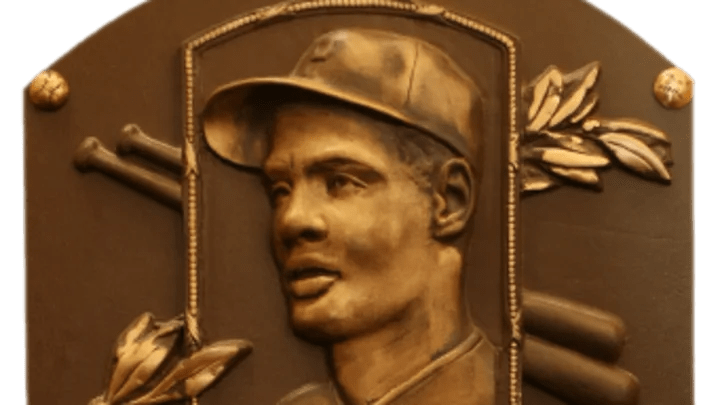
On December 31, 1972, Roberto Clemente tragically passed away at 38 while en route to his native country of Puerto Rico to deliver supplies after the effects of the Nicaragua earthquake.
His death was sudden, coming just over a year before he won World Series MVP for Pittsburgh in ’71.
In 1973, Clemente was inducted in the MLB Hall of Fame, becoming the 25th Pirate to be inducted into the hall, getting his induction alongside George Kelly.
Clemente became the first Latino or African-American Pirates player, manager or executive to be inducted into the Hall of Fame in ’73 following a career that saw a .317 career average, 2000-plus games, 200-plus home runs, 400-plus doubles, 150-plus triples and 1300-plus RBIs.
It took 15 years before the Pirates would see another Latino or African-American inductee, as Clemente’s running mate, Willie Stargell, would receive his induction in 1988 after 20 seasons in Pittsburgh before retiring in 1982.
Clemente and Stargell remain the only Latino or African-American Hall of Famers from the Pittsburgh Pirates, with of course many players from the Crawfords or Grays being in the Hall, but none playing for the Pirates.
MLB adds Negro Leagues to Official Record
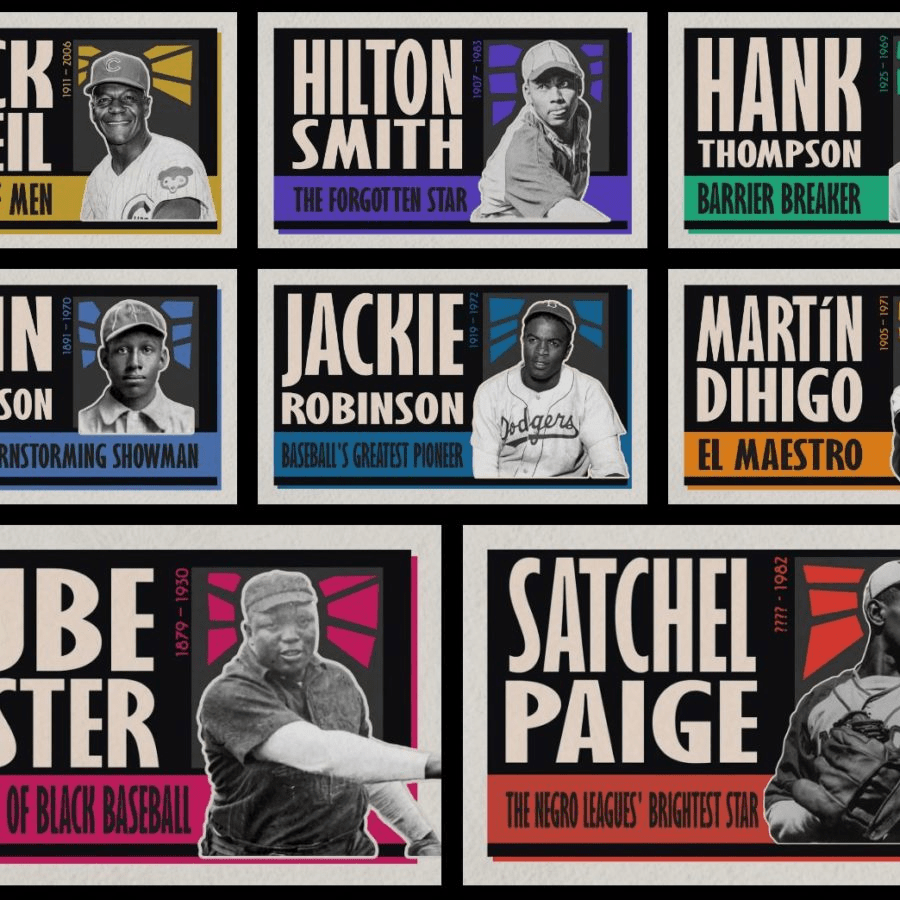
For Pittsburgh, they have donned the jerseys of the Homestead Grays and Pittsburgh Crawfords throughout the years, sharing not only the jerseys, but the legacies of each franchise.
Baseball officially gave the Negro Leagues MLB status in 2020, giving the status to seven professional Negro Leagues from 1920-1948, a step that combined to enshrine 35 Hall of Fame players.
The Pirates don the Grays and Crawfords jerseys every season, while other MLB franchises join in wearing jerseys from Negro League franchises relevant to their history.
Pittsburgh and the Chicago Cubs did so in 2017, with the Pirates wearing jerseys to honor the Homestead Grays and the Cubs wearing jerseys to honor the Leland Giants.
Teams have continued to have Negro League Heritage Nights across baseball, starting a tradition of honoring some of the best to every pick up a baseball during the segregation era of the game.
It’s important to not only honor the history the Pirates share with African-American and Latino culture, but to research and inform one’s self about that history and why it’s so important to baseball and culture today.
With no Curt Roberts, there is no Roberto Clemente, no all Latino or African-American lineup in ’71, no Willie Stargell, no Al Oliver, no Andrew McCutchen, no Oneil Cruz or Ke’Bryan Hayes.
Baseball’s history is driven by those who fought to break the barrier of color in baseball during one of America’s most notable and historical periods, and that’s why I wrote this piece today, to inform you all on the historical ties Pittsburgh baseball has on the game today and how diverse it truly is and the opportunities that otherwise would not have been presented to people of color some time ago.
To conclude, Pittsburgh is considered by some a pillar of importance for black history in baseball, and we’ve barely scratched the surface here.
Share your tidbits and stories with us in the comments, even if you think everyone already knows.
 Steel City Pirates