
8-4-2025 – By Michael Castrignano – @412DoublePlay on X
Pittsburgh snapped their 2-game skid with a win yesterday and will look to keep that momentum rolling going as they return home to host the San Francisco Giants and today’s starter, Justin Verlander.
Although they won the game when they faced Verlander last week – notching a single run off 6 hits and 1 walk across 5 innings with 7 strikeouts – they will be eager to improve on that performance after an offensive outburst out west where they scored 30 runs over the weekend series in Colorado.
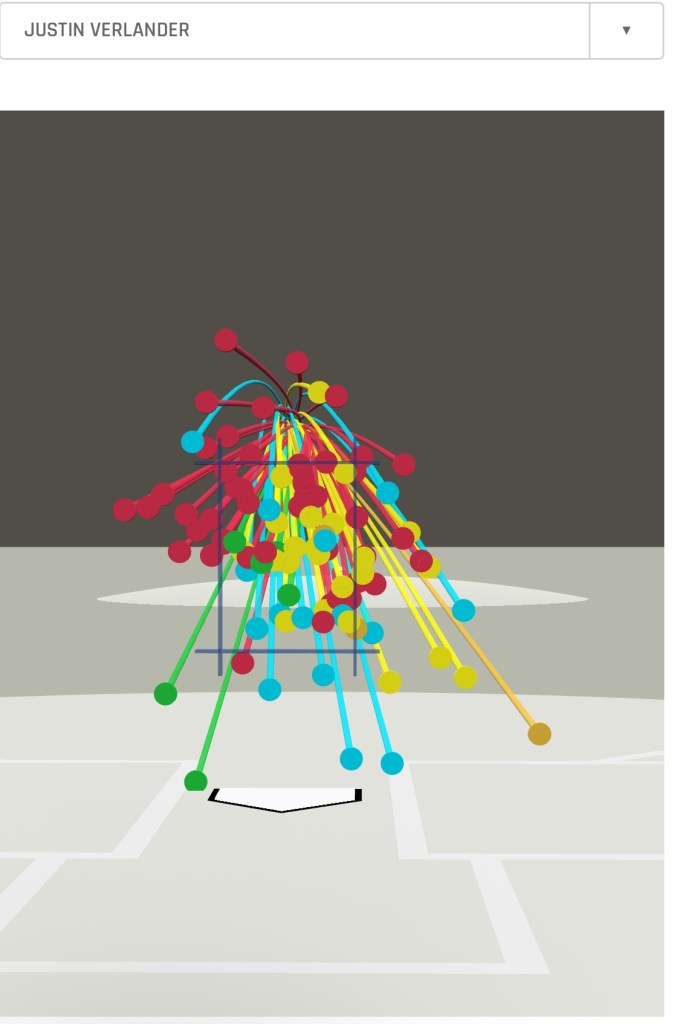
I detailed in the previous piece what Verlander has been doing this year but now, let’s focus on what he specifically was doing against the Bucs and what he’s been doing on the road this year. And let’s start with how he attacked Pittsburgh last week:
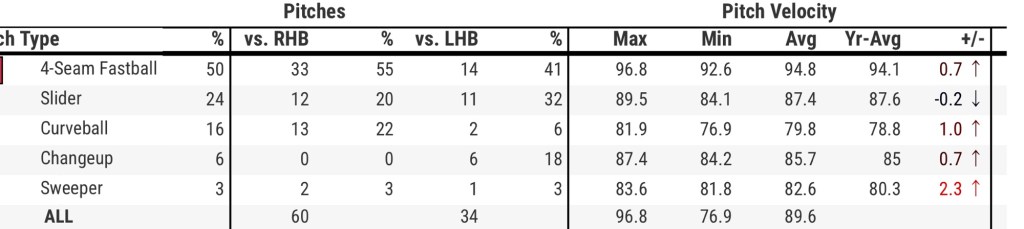
He leaned heavily on a fastball-slider mix getting 5 whiffs on each of the pitches. The fastball, in particular, resulted in 3 of his 7 strikeouts with the other 4 coming off the slider/sweeper combo.
When the Pirates made contact, however, Verlander was giving up some seriously hard contact – not all of it was for hits, granted – as 5 batted balls had exit velocity of 100 MPH+ and only two of the balls in play were considered “soft contact” which were hit under 90 MPH.
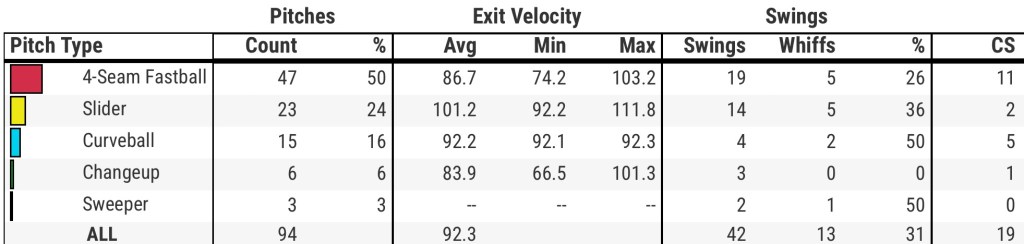
His curve was working for him with a 50% whiff rate on swings while landing 5 of 11 non-swings for strikes so that could present a challenge for the Bucs but if they look for the fastball up in the zone while the slider runs glove-side on Verlander.
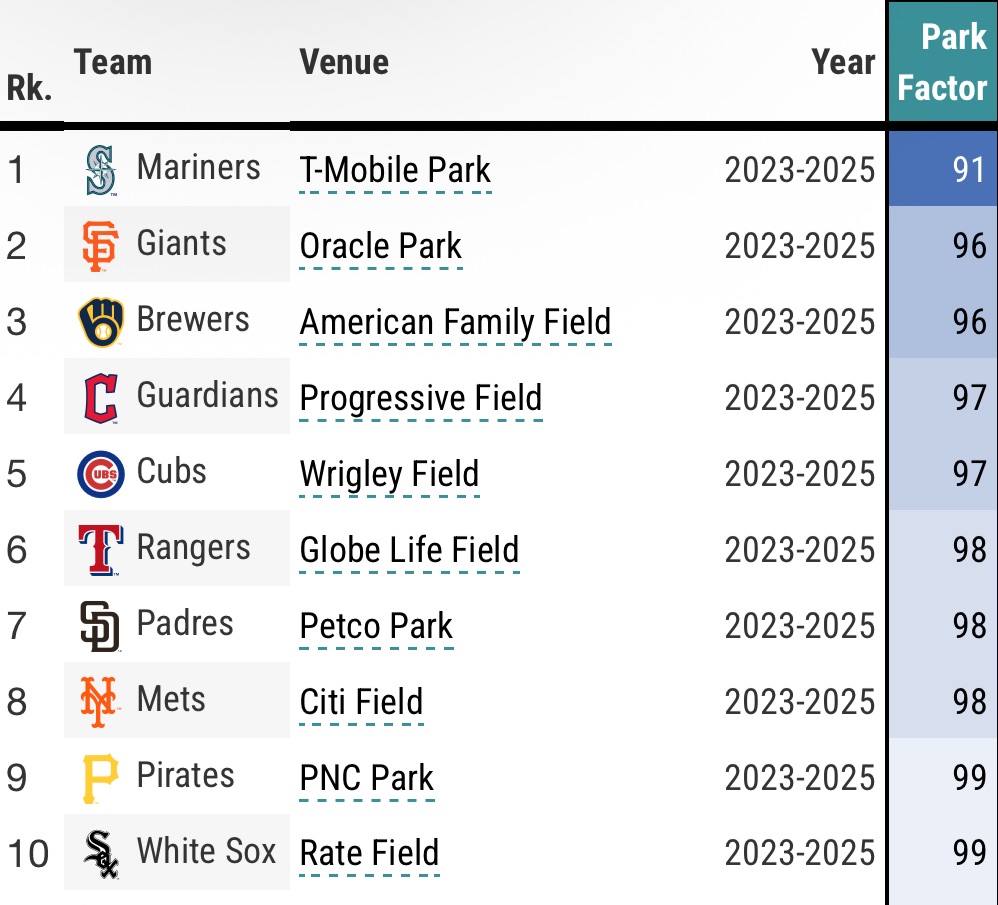
The other side is how different his split are on the road compared to at home. Oracle Park – where the Giants play their home games – is considered one of the most pitcher-friendly parks in MLB. Over the past three years (excluding the Athletics and Rays parks due to this season), Oracle ranks as the 2nd most power-suppressing location behind only T-Mobile Park in Seattle.
And Verlander has benefitted from it as his ERA at home is more than half a run lower than on the road (4.24 compared to 4.93) while opponents have posted 20 points higher batting average on the road (.291) versus what they produce when Verlander takes the mound first (.271). The part that makes it strange is that the impact is seen more with right-handed hitters over lefties.
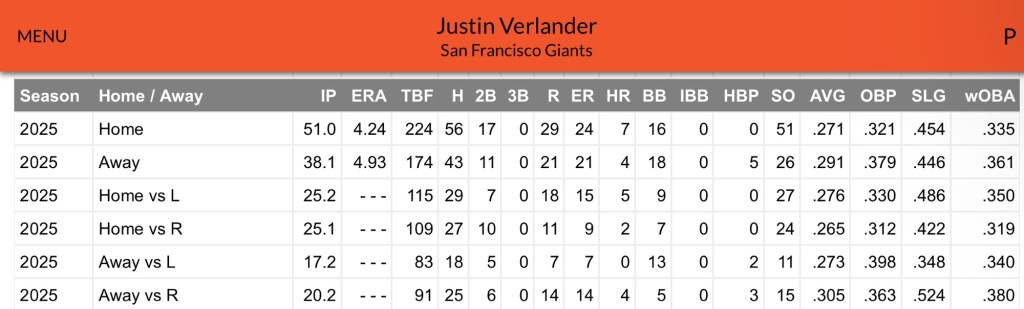
Righties have, surprisingly, always done better against Verlander than lefties across his two decades in MLB but hitters from both sides of the plate should be wary of the curve but be ready to attack high heat or hanging breaking balls to ambush JV early and often.
Subscribe to our site, it’s free and all you’ll get from us is a notification when there’s something new to read.
 Steel City Pirates